Root Canal Therapy in Oakbrook Terrace, IL | SmilesHUB
schedule an appointment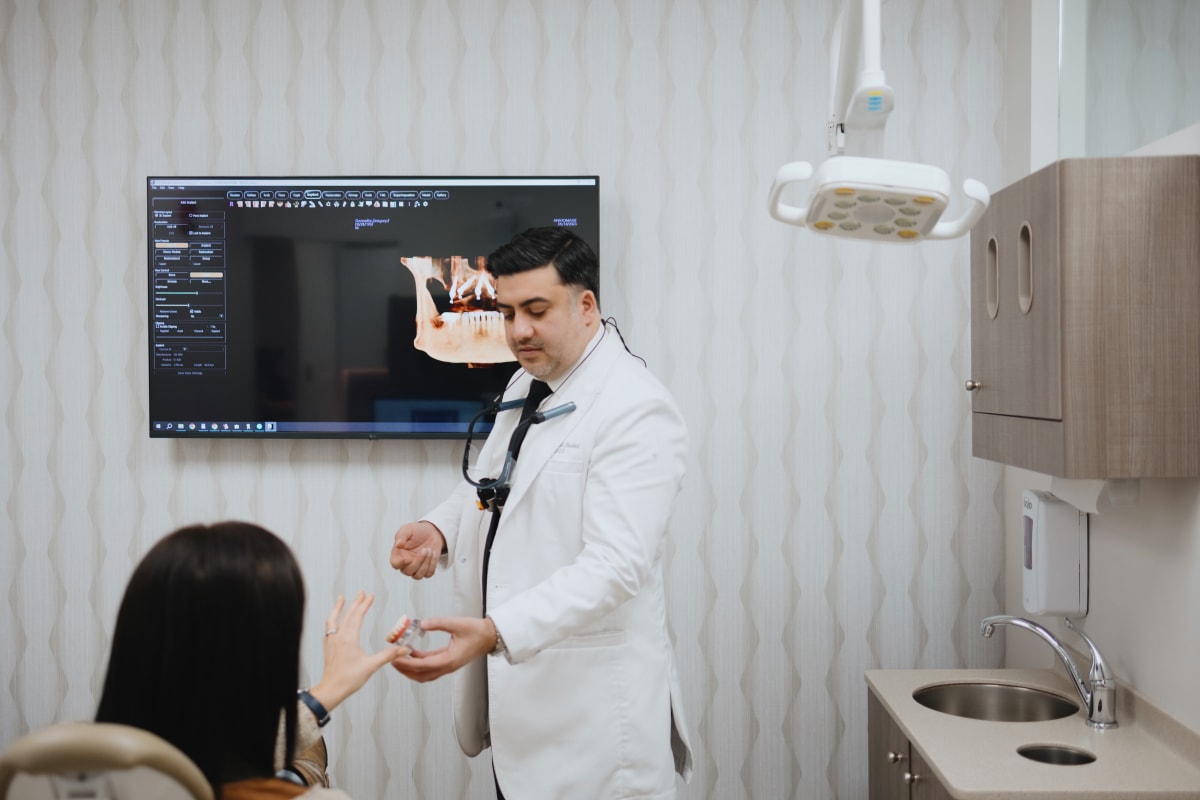
A root canal is the treatment that ends tooth pain. If a tooth has been aching, throbbing, or keeping you up at night, the infected tissue inside is the source of that pain. Removing it is what brings relief. Dr. Sushant, Dr. Ritu, and the team at SmilesHUB perform this treatment regularly, with numbing that we give time to fully settle before anything begins. Most patients tell us it felt a lot like having a filling done.
If anxiety or cost has been holding you back, you're not alone, and we have options for both. We see patients from Oakbrook Terrace and the surrounding communities across the greater Chicago area, with evening and Saturday hours to fit your schedule.
Call (630) 592-8139 and we'll find you a same-day or next-available time.
Usually the tooth tells you something is wrong long before a dentist does. The trick is knowing which signals point to the nerve inside rather than the gums or a crack. Common ones include:
None of those confirm anything on their own. Dr. Sushant and Dr. Ritu use a hands-on exam, X-rays, and Cone Beam 3D imaging when the roots are complex. Sometimes a filling is all that is needed, or simply watching the tooth over time.
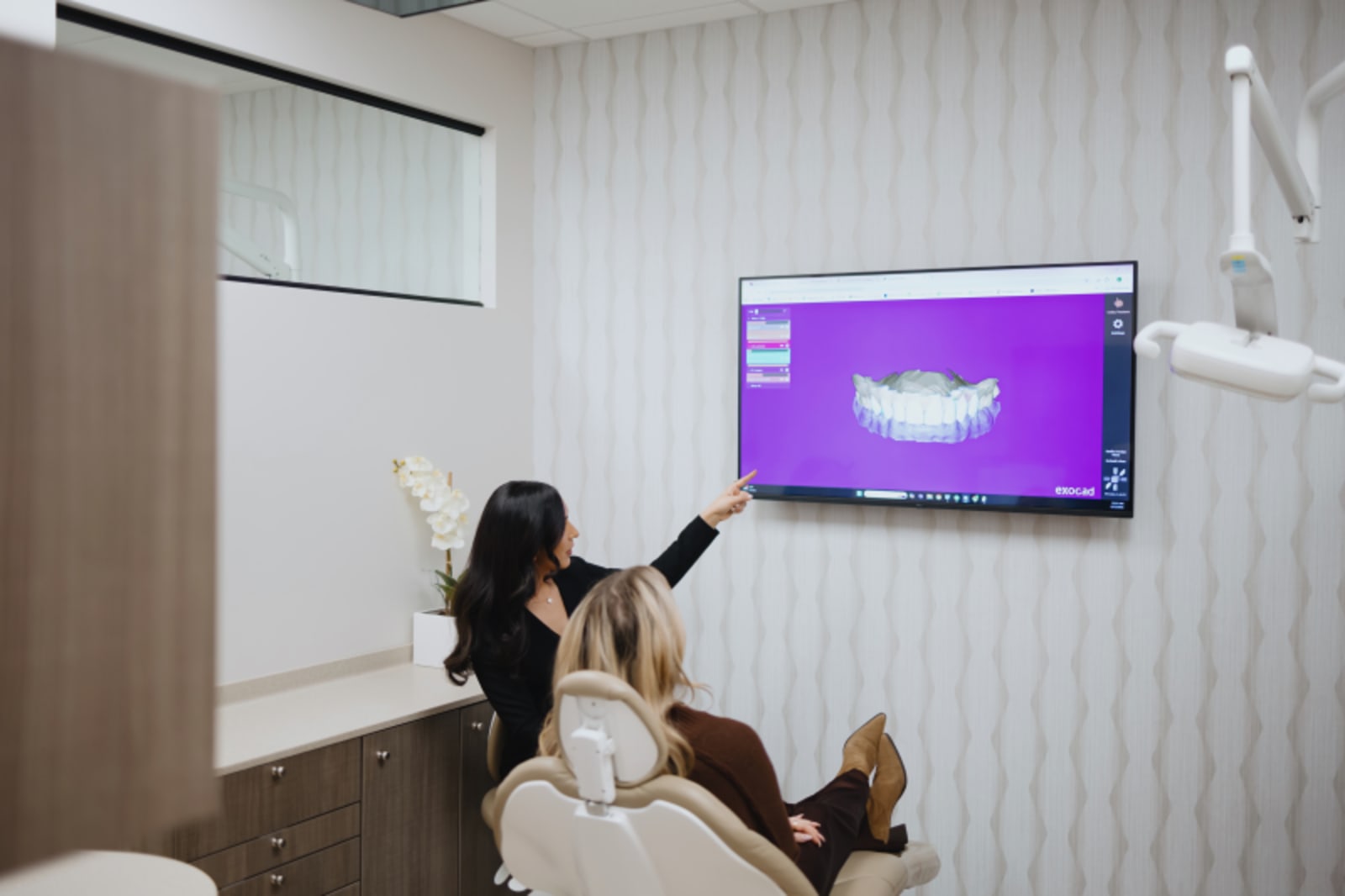
We numb the area around the tooth and give it a few minutes to reach full effect. If sedation is part of your plan, that's arranged beforehand so you're already relaxed.
A small opening is made through the top of the tooth to reach the pulp chamber, where the nerve and blood vessels sit. The inflamed or infected tissue inside is carefully removed.
The narrow canals running down each root are cleaned, shaped, and flushed to clear out bacteria and debris. This step is what keeps the tooth from flaring up again, so we take our time with it.
The cleaned canals are filled with a safe, rubber-like material that seals them off so bacteria can't move back in.
A filling or crown goes on to rebuild strength and let you chew normally again. Back teeth take the most force, so they usually need a crown to keep from fracturing under everyday use.
The appointment itself generally runs about 60 to 90 minutes for a single tooth. Molars with more canals take longer than front teeth.
Most cases finish in one visit. A tooth with significant infection or a tricky root shape may need a second appointment. If pain or swelling shows up before that visit, give us a call and we'll get you seen as soon as possible.
The first 24 to 48 hours bring some tenderness when you bite down. Over-the-counter pain relief usually handles it, and it fades steadily.
The permanent crown, when one is needed, is fitted at a follow-up visit a few weeks later. A temporary restoration protects the tooth in the meantime, so you can eat normally while you wait.
Eat something beforehand unless we've told you otherwise, since your mouth will be numb for a while after. Take your regular medications as usual, and let us know about all of them, including any heart conditions or joint replacements. If you're having sedation, follow the prep instructions we send you ahead of time.
Once a tooth has had a root canal, the nerve inside is gone, so it won't signal sensitivity the way it used to. Regular checkups are how we stay on top of it. If pain grows instead of fading, swelling appears, or the temporary crown comes loose, call us so we can take a look.
Cost depends on which tooth needs treatment and whether a dental crown is needed afterward. We go over both numbers before anything starts, so there are no surprises.
We accept most insurance plans. Root canal therapy is typically covered under restorative benefits, and we'll confirm your exact share before we begin.
No insurance? Most patients use CareCredit financing or the SmilesHUB Assurance Plan, $349 per year for the first family member and $299 for each additional. It covers preventive care and reduces the cost of treatment like root canals and crowns all year long.
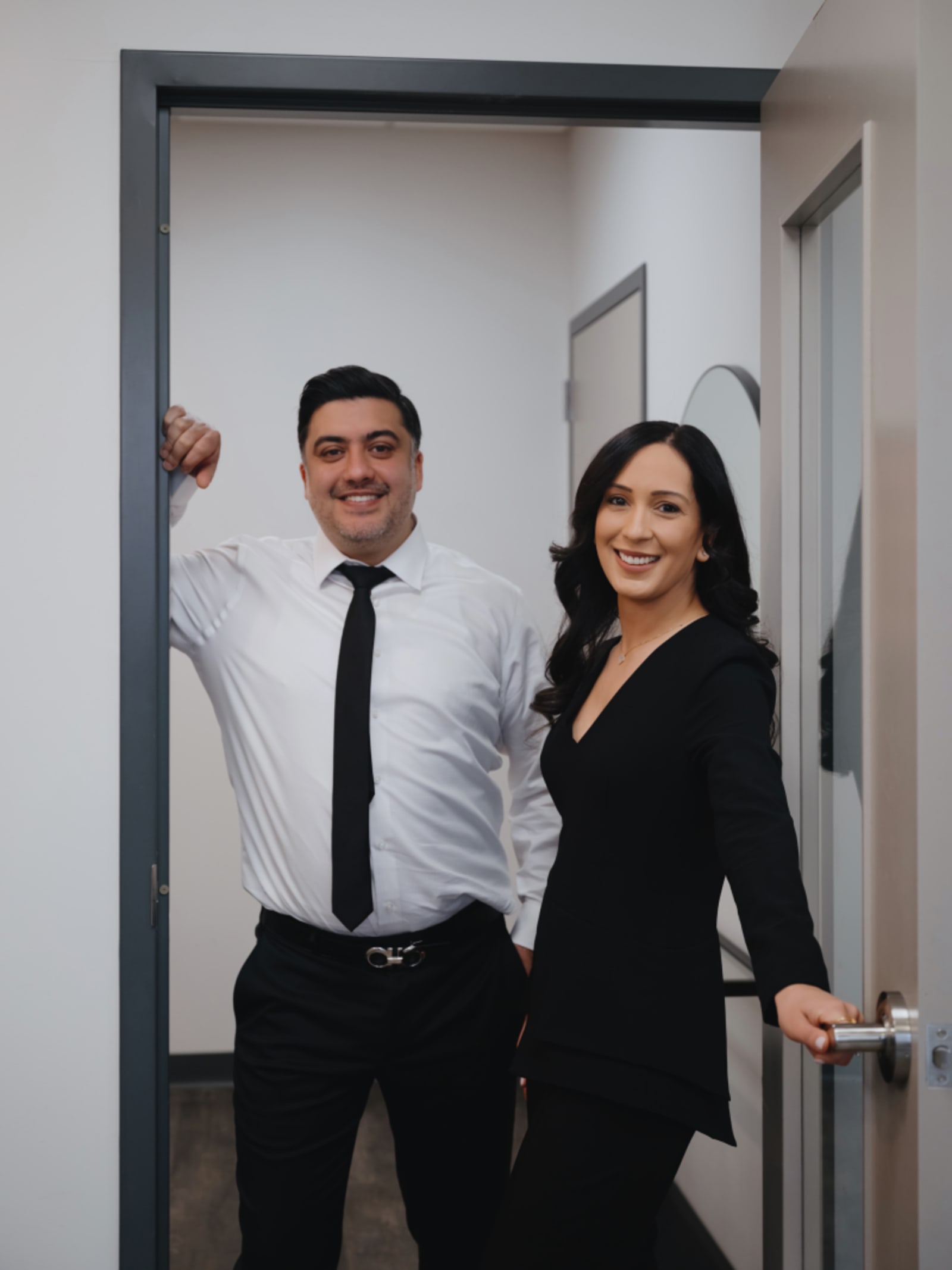
Dr. Sushant and Dr. Ritu Dhadwal are both NYU-trained and built SmilesHUB around one idea: every patient deserves honest care delivered with a personal touch. Before anything starts, you'll know the full plan, the cost, and exactly what to expect.
Everything is designed to keep things simple for you. One practice, one team, and no referrals to navigate when all you want is to get your tooth taken care of.
No. The treatment is what ends the pain, not causes it. We numb the area completely before anything begins, and if you feel anything during the procedure, tell us and we'll add more.
Yes. Sedation is available for patients who feel anxious. Just mention it when you book so we can plan your visit around your comfort level from the start.
Most back teeth do, because chewing force can crack a treated tooth without one. Front teeth can sometimes be restored with a filling. We'll tell you exactly what your tooth needs, and if a dental crown is the right call, we'll walk you through the process.
Less expensive upfront, yes. But replacing the gap with an implant or bridge typically costs more than saving the tooth. If cost is a concern, our membership savings plan and financing options can help.
Yes, if you're only having local anesthetic. Your mouth will feel numb for a few hours, but you're fine to drive once you leave the office.
The infection will not go away on its own. It spreads into surrounding bone and tissue over time, and the tooth becomes harder to save the longer treatment is delayed. If the pain suddenly stops, that is not a good sign. It likely means the nerve has stopped responding, not that the problem is gone.
You won't be rushed into anything. Call us, ask your questions, and we'll walk you through exactly what to expect. If the pain came on suddenly, we offer same-day appointments.
We have evening and Saturday hours to fit your week. No insurance? Our membership savings plan keeps care affordable all year long.
Reach us at (630) 592-8139. We're at 17W615 Butterfield Road, Suite B in Oakbrook Terrace. Dr. Sushant, Dr. Ritu, and the whole SmilesHUB team are ready when you are.
WE LOOK FORWARD TO MEETING YOU. CALL TODAY at (630) 592-8139 OR Schedule an AN APPOINTMENT ONLINE TO SET UP YOUR FIRST VISIT. WE’LL BE IN TOUCH SOON.
