Dental Implants in Oakbrook Terrace, IL
schedule an appointment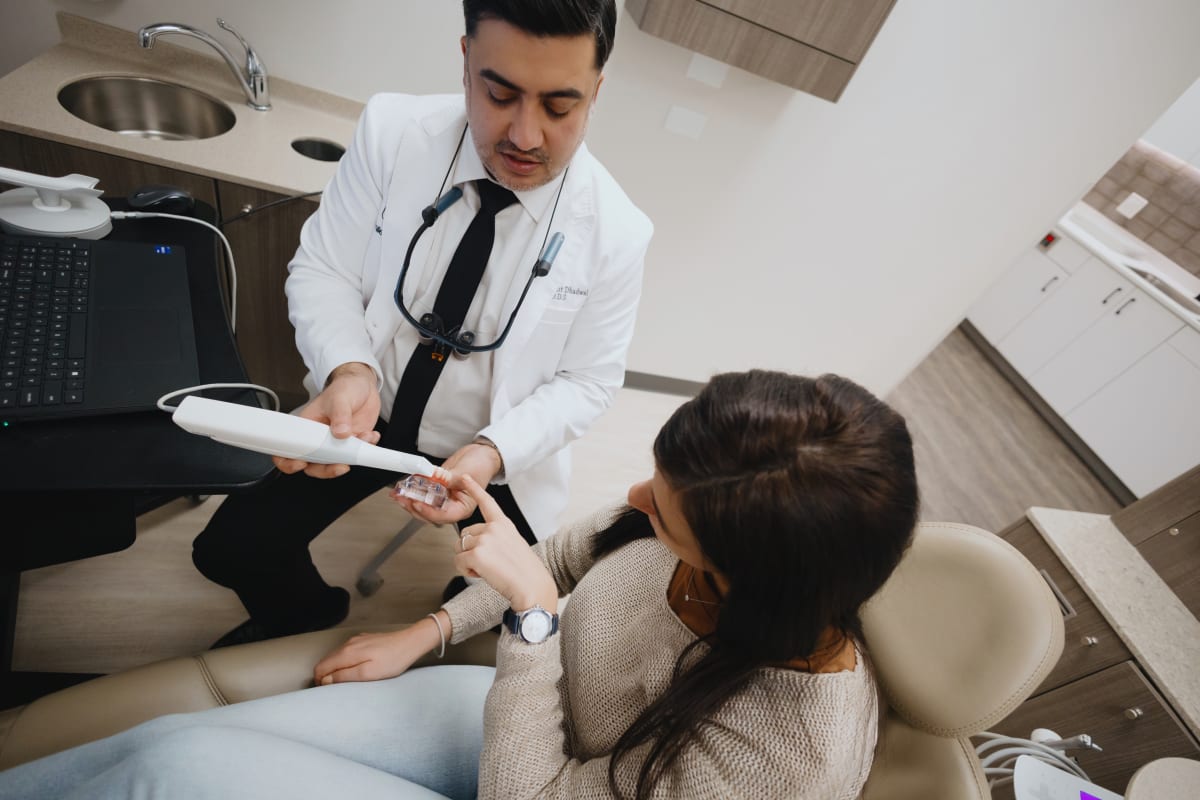
A dental implant replaces a missing tooth from the root up, so you can bite into an apple, laugh in a photo, and stop thinking about the gap. Dr. Sushant and the team at SmilesHUB place implants right here in our Oakbrook Terrace office, from the first scan through the final dental crown.
Dr. Sushant Dhadwal holds a Fellowship and a Mastership from the International Congress of Oral Implantologists, advanced training focused on implant dentistry. Alongside Dr. Ritu, who leads our cosmetic dentistry care, the surgical side and the way your finished tooth looks are planned together from day one.
We're at 17W615 Butterfield Road, Suite B, serving Oakbrook Terrace and surrounding communities. Call (630) 592-8139 for a consultation, including evenings or a Saturday. Without dental insurance, our membership savings plan helps keep your care affordable.
An implant has three parts: a titanium post that replaces your tooth root, a connector called an abutment, and the crown you see and chew with. They go in over separate visits because your jawbone needs time to fuse to the post.
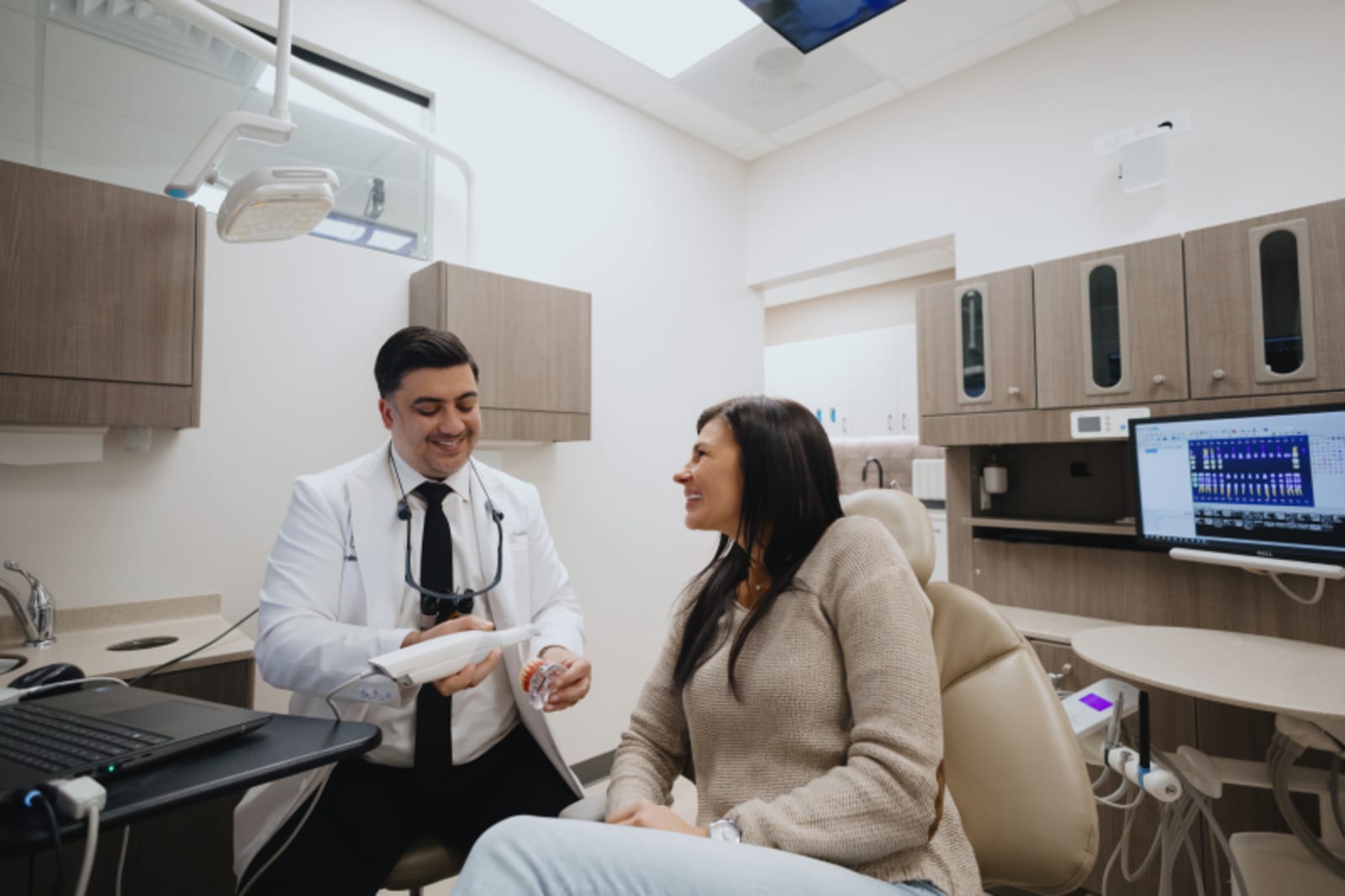
We start with an exam, your health history, and a Cone Beam scan that measures bone height and width, shows where nerves and sinuses sit, and tells us whether the site is ready or needs bone grafting first. Our iTero Element scanner captures your bite digitally, so there's no impression putty involved.
Before anything gets scheduled, we walk through the whole plan: how many phases, how long each takes, the alternatives, and the fees. If questions come up three days later, call (630) 592-8139 and ask. Nobody should be signing off on surgery they don't understand.
The site is fully numbed, and the post is placed into the jawbone. Most people are surprised at how ordinary the appointment feels. If dental anxiety is part of your picture, tell us early; we offer sedation options and would rather plan for your comfort than improvise.
Over the following months, bone grows around the post and locks it in place. This process, called osseointegration, is why implants feel like a real tooth instead of something resting on your gums. We check in along the way to confirm things are tracking as expected.
Once the post is solid, we attach the abutment and place your custom crown, shaped and shaded to match the teeth beside it. This is where Dr. Ritu's cosmetic dentistry training earns its keep, especially for a front tooth where symmetry and shade are everything.
The clearest case for an implant is a tooth that's already gone, or one too damaged to save. If the root is still healthy and the tooth can be rebuilt, a dental crown is usually the better call, and we'll tell you so. Keeping your own tooth beats replacing it.
Good candidacy generally comes down to four things:
Some situations call for reconsideration, like if you have active gum disease, which would need treatment first, since placing an implant into inflamed tissue puts the whole result at risk.
Being blindsided by the length of implant treatment is a common complaint from patients who started elsewhere. Here's how the calendar tends to fall, though your case will have its own shape.
The long stretch in the middle isn't painful, it's just patience. We'd rather give you that number up front than a tidier one that doesn't hold.

Bring your medication list, including blood thinners and bisphosphonates, and mention any conditions that affect healing such as diabetes. Eat beforehand unless we've told you otherwise, arrange a ride if you're having sedation, and stock up on soft foods. Cutting back on smoking improves your odds.
Ice for swelling, soft foods, and the pain relief we recommend. Rinse gently with warm salt water, skip straws, and keep brushing your other teeth.
Brush twice a day, floss around the implant, and keep your cleaning appointments. Implants can't get cavities, but the gum and bone around them can get infected, which is the main reason implants are lost years later. If you grind your teeth, ask us about a night guard to protect the crown.
We don't post a single implant price, because one number would be misleading. Your cost depends on real variables:
You'll get the full breakdown in writing at your consultation, before you agree to anything. Dental insurance often covers part of implant-related treatment, and because coverage varies between plans, we verify your benefits ahead of time rather than surprising you at checkout. CareCredit financing is available for out-of-pocket balances.
If you don't have insurance, our SmilesHUB Assurance Plan covers preventive care for a flat annual fee.
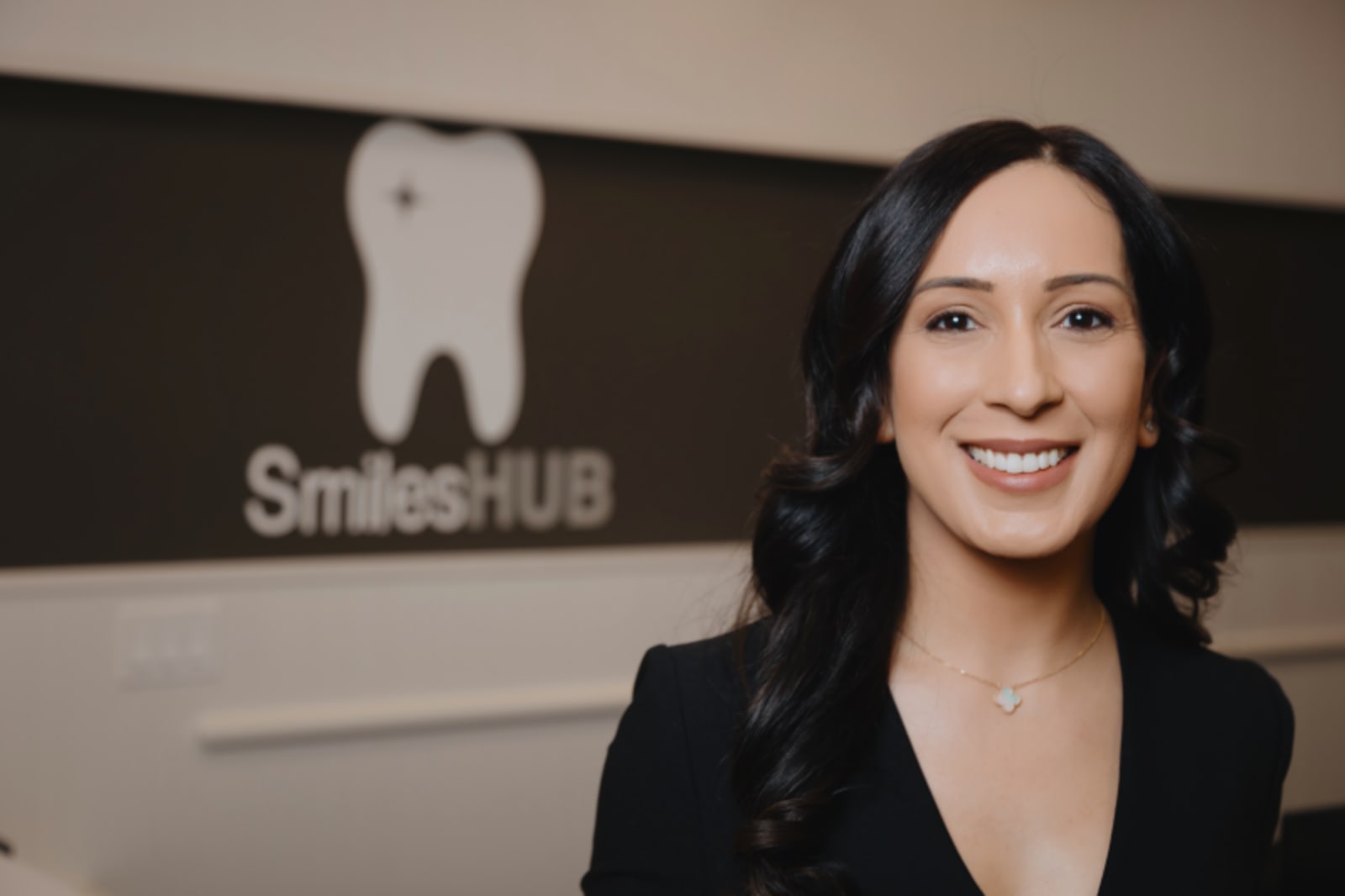
Both of our dentists trained at NYU. Dr. Sushant went on to advanced implant training, earning Fellowship and Mastership credentials from the International Congress of Oral Implantologists; Dr. Ritu pursued cosmetic dentistry.
What that means for your implant:
It comes down to the root. If your natural root is healthy, a crown rebuilds the tooth above it. If the tooth is missing, fractured below the gumline, or too decayed to hold a restoration, an implant replaces the root too. Our 3D imaging shows which situation you're in.
Placement is done with the area fully numb, and most patients find it easier than expected. Expect a few days of soreness afterward that over-the-counter pain relief handles. Sedation is available if the appointment itself is the hardest part.
Often not. Bone loss after tooth loss is common, and grafting can rebuild the site so an implant becomes possible. A Cone Beam scan shows far more than a standard X-ray, so ask for a second look before accepting a no.
The main risks are infection, an implant that doesn't integrate with the bone, and, in the lower jaw, nerve proximity. 3D planning maps nerve position and bone volume before placement. Ask us to show you your scan and where your implant will sit.
The titanium post is designed to stay for good, and with solid hygiene and regular checkups many last decades. The crown on top takes the wear and may need replacing eventually.
A bridge is faster and needs no surgery, but it requires altering the healthy teeth beside the gap and doesn't preserve jawbone. Dentures are least invasive and often most economical, though they rest on the gums and may shift. Implant-supported dentures sit in between: fewer implants, with stability a traditional denture can't match. We'll lay all three side by side so you can weigh your health, bone, and priorities.
You don't have to decide anything at a consultation. You'll leave knowing whether you're a candidate, what your case would involve, what the fees look like, and what your alternatives are, explained by the dentist who would actually be doing the work. If an implant isn't the right answer for you, we'll say so.
Call SmilesHUB at (630) 592-8139 to set up a time, including evenings and Saturdays. We're at 17W615 Butterfield Road, Suite B in Oakbrook Terrace.
WE LOOK FORWARD TO MEETING YOU. CALL TODAY at (630) 592-8139 OR Schedule an AN APPOINTMENT ONLINE TO SET UP YOUR FIRST VISIT. WE’LL BE IN TOUCH SOON.
